


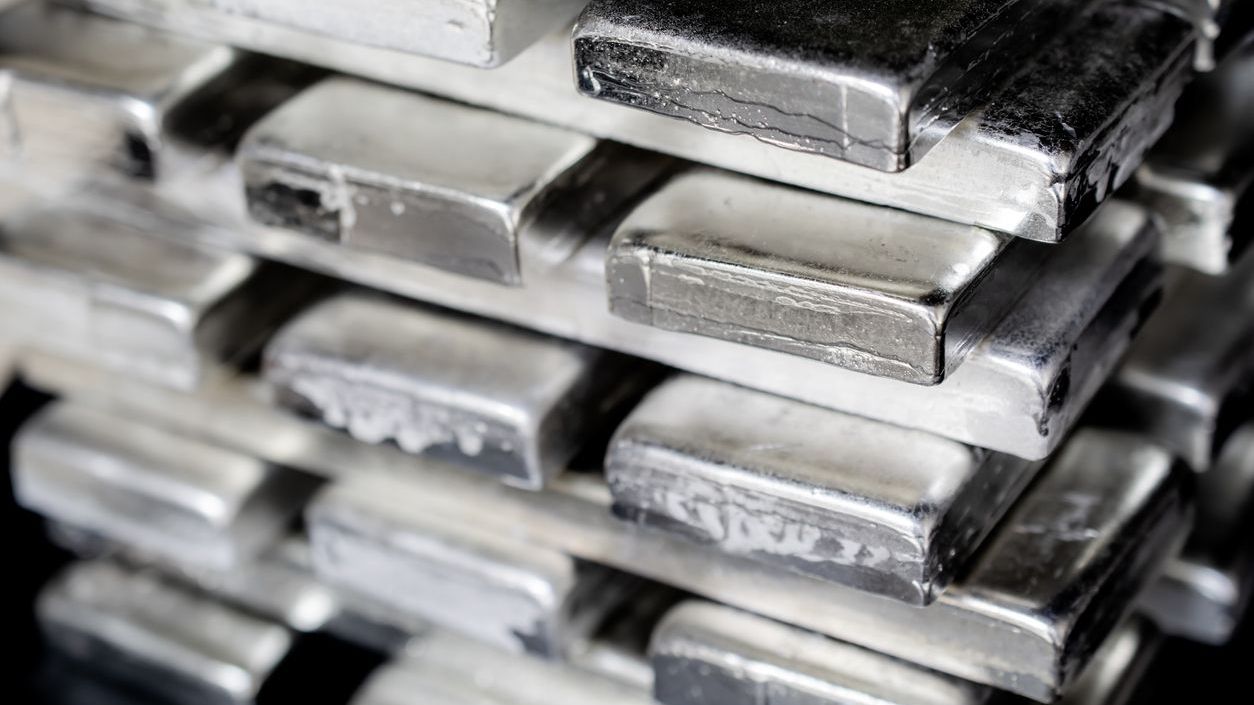
Silver, trading near $80-$90, has seen even sharper volatility, dropping amid oil spikes that raise inflation fears but rallying on industrial scarcity concerns like solar and electronics disruptions. Central banks are key players too, diversifying reserves away from the dollar amid sanctions risks, adding an 8-12% "geopolitical premium" to gold prices-potentially $400-$600 per ounce.
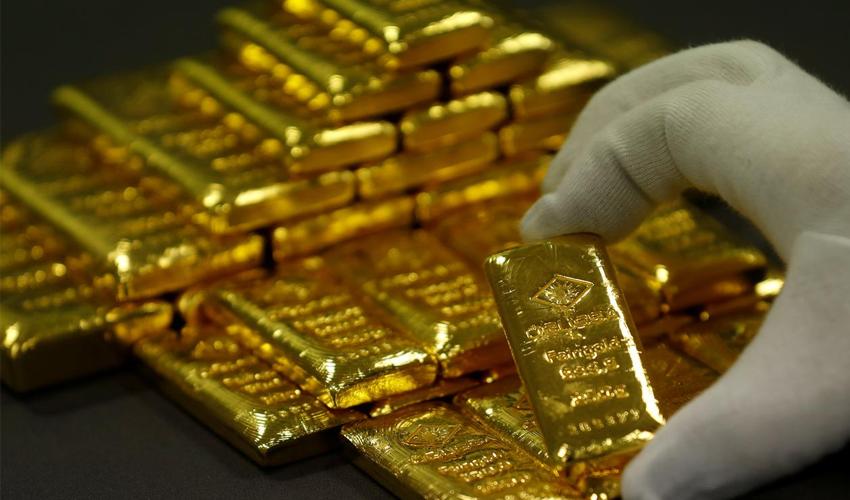
Yet, not all moves are upward; February 2026 saw gold fall 21.82% in four days and silver 47.63% in eight, as "geopolitical premiums" faded during brief de-escalation hopes.
The mechanics are straightforward: escalations create uncertainty, spiking demand for metals untied to any government's credit. Wars disrupt trade, inflate energy costs, and weaken currencies, making gold and silver attractive. However, early phases can see sell-offs as investors liquidate to cover margins elsewhere, like in equities or oil positions-a common thread in historical oil booms.
Once the dust settles, rebounds occur-often "violently" as safe-haven flows intensify. Silver's higher beta means it can outperform gold in percentage terms during uptrends, but it suffers more in downturns due to industrial ties.
For practical investing, start by assessing your portfolio. Allocate 10-15% to precious metals for diversification, weighting more toward gold for stability during crises. Buy on dips-5-10% pullbacks often signal entry points, as seen in recent Iran-related volatility and past oil crises. Use physical bullion or ETFs like GLD for gold and SLV for silver for easy access. For amplified exposure, consider mining stocks via ETFs like GDX, which leverage metal price moves but add operational risks. Monitor indicators: rising oil prices signal inflation that boosts metals; a strengthening dollar can temporarily cap gains. Set stop-losses at 10% below entry to manage volatility, and rebalance quarterly. If young and risk-tolerant, tilt toward silver juniors for potential 6-12 month gains, but take profits incrementally.
Of course, risks abound. Precious metals aren't immune to corrections; rapid de-escalations can erase premiums quickly, as in post-crisis periods. Over-allocation exposes you to opportunity costs if equities recover faster. And while history favors rebounds, prolonged conflicts could spike storage or transaction costs for physical holdings.
